

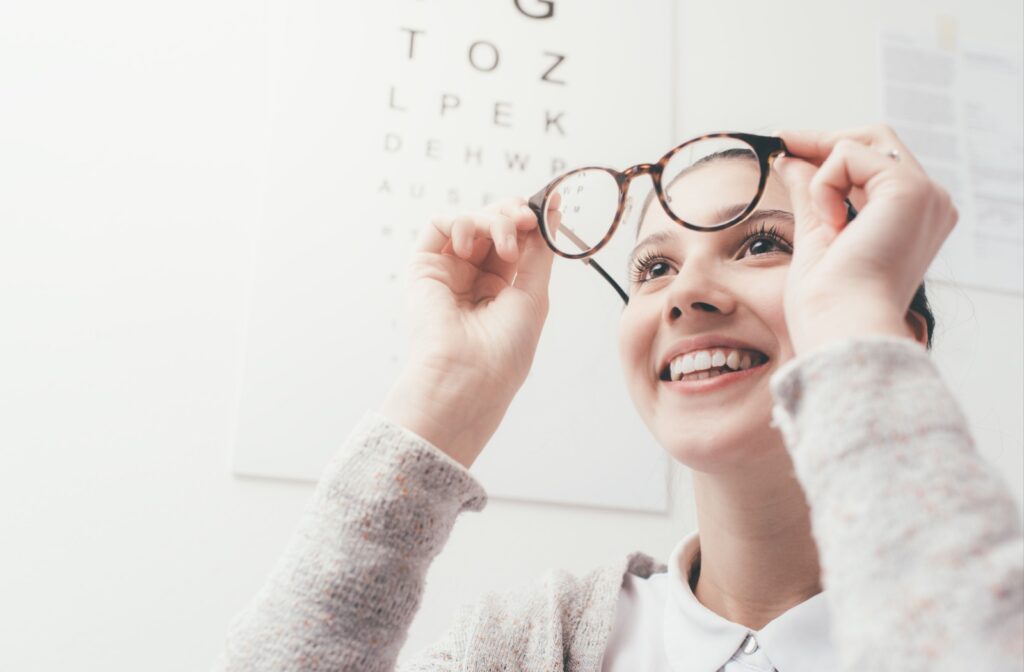
You might think of nearsightedness (or myopia) as just a minor inconvenience. It’s why you might squint to read road signs, or why your child needs to sit at the front of the classroom to see properly. While glasses and contacts can make blurry objects clearer, they don’t address the underlying changes happening to the eye.
Left unmanaged, progressive myopia can lead to higher prescriptions year after year and increase the risk for serious, vision-threatening eye conditions down the road. Total Vision Diamond Bar focuses on proactive care, which includes understanding the risks and exploring myopia control options to protect long-term eye health.
More Than Just Blurry Vision: The Early Signs
Common Symptoms to Watch For
At first, the signs of nearsightedness can be subtle. Some common symptoms include:
- Persistent squinting or excessive blinking to see distant objects
- Frequent headaches, especially after tasks that require focus on distant objects (like a classroom’s whiteboard)
- Noticeable trouble with seeing clearly while driving, particularly at night
How Nearsightedness Affects Your Daily Life
Challenges in Everyday Activities
When the world is out of focus, simple activities can become frustrating. For a child, difficulty seeing at school can affect their learning and participation. For an adult, it can affect work performance, especially if your job requires you to view presentations or monitors from a distance.
Even your favorite hobbies may feel less enjoyable. Watching a movie, playing a sport, or even recognizing a friend from across a room can become a challenge, especially since clear vision is closely linked to sports performance. This constant strain can affect your comfort and confidence in social and professional settings.
The Serious Risks for Long-Term Eye Health
Higher Chance of Future Eye Conditions
Myopia happens when the eye grows too long from front to back. This elongation stretches the delicate tissues inside your eye, like the retina (the back of the eye). Over time, this stretching can make the eye more vulnerable to certain conditions, including:
- Retinal detachment
- Glaucoma
- Cataracts
Can Untreated Myopia Lead to Vision Loss?
High myopia, or having a very strong prescription, is a significant risk factor for developing conditions that can lead to permanent vision loss. The risks increase with the severity of myopia, even when vision is corrected day to day. This is why myopia management is about more than clear sight—it’s about protecting future vision.
Myopia Progression in Children and Adults
Why Myopia Often Worsens During Childhood
You may notice your child’s prescription gets stronger at every check-up. This happens because their eyes are still growing. Traditional lenses can correct central vision, but research suggests they may not address how light focuses in the peripheral (side) retina. Some studies indicate this may be associated with continued eye growth in children. Fortunately, there are myopia management options designed for children.
This progression usually continues throughout the school years and stabilizes in early adulthood, when the eye typically stops growing. Lifestyle factors, such as extensive time spent on screens and less time outdoors, can also influence how quickly nearsightedness develops.
Proactive Steps for Clear Vision and Healthy Eyes
The Goal of Myopia Management
Modern eye care offers ways to manage myopia progression, doing more than just sharpening your vision with stronger lenses. The goal of myopia management is to slow the progression of nearsightedness and reduce future risk.
Your Next Step Toward Healthy Vision
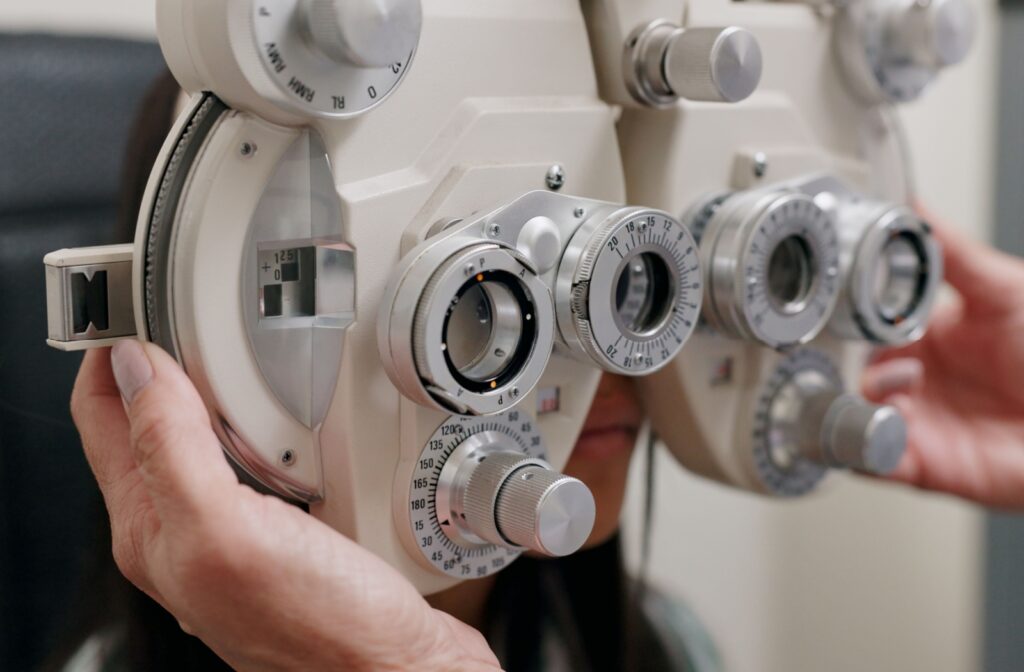
A comprehensive eye exam is a great way to understand your eye health. A conversation with an eye doctor can help you create a personalized care plan for your myopia that fits your lifestyle and supports your long-term health.
Let’s Manage Myopia Together
Taking care of your vision is a key part of your overall wellness. The team with Total Vision Diamond Bar can tailor treatments for you and your family to support a future of clear, healthy sight. Schedule an eye exam to explore your options.

